
Blogs
Saffron (Kesar): A Treasure of Health and Wellness

May
I still remember the first time I saw saffron strands bloom in my indoor farm. That deep crimson color, the delicate fragrance—it felt like I was holding pure wellness in my hands. Saffron has been a part of my life for as long as I can remember. From my mother’s kitchen to my own, this spice has always been more than just an ingredient—it’s a remedy, a tradition, and a way to nurture our bodies.
When I started Shubhavni SmartFarms, my goal was not just to grow saffron but to bring people back to nature’s finest superfoods. Over time, I’ve seen firsthand how saffron can transform health, not just as a luxury spice but as daily nourishment for the body and mind.
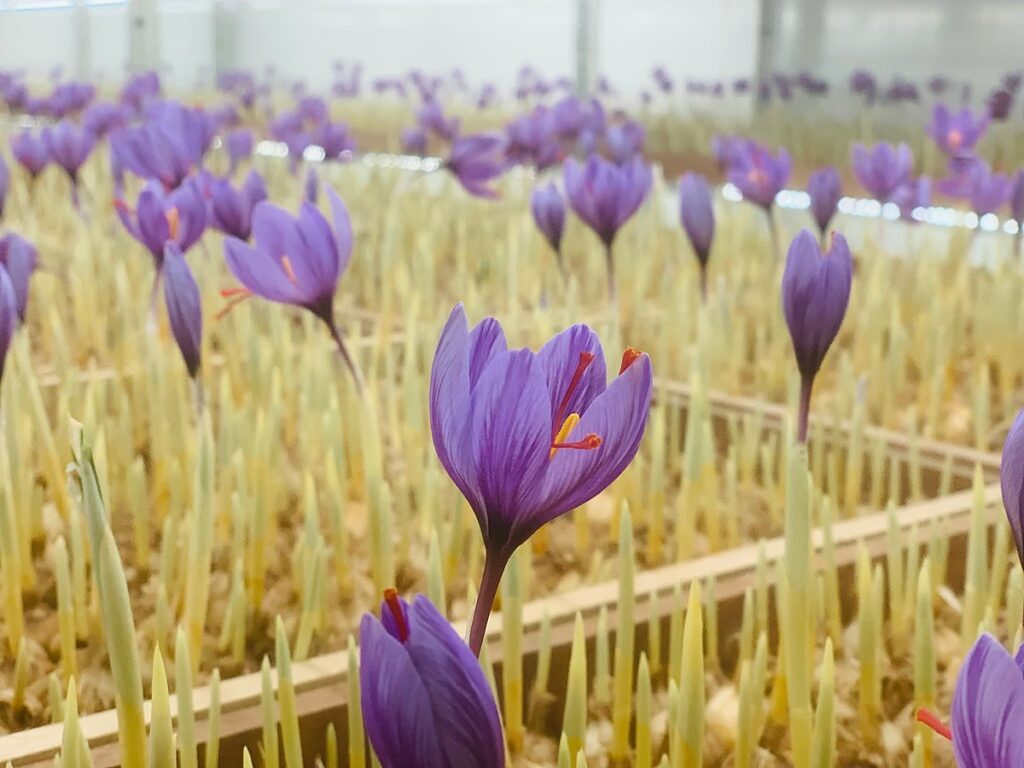
Let me share a few ways in which saffron has been a true healer in my life and for those around me.
Saffron for Mood and Mental Well-being
I have always believed that food is not just about nutrition—it’s about how it makes you feel. And saffron is a spice that uplifts the soul. I have seen its effects firsthand. Whenever my family or I feel overwhelmed, a warm cup of saffron-infused milk or tea brings an instant sense of calm.
Saffron is packed with compounds like crocin and safranal, that researchers have taken seriously. Of everything said about saffron, this is the part that has been tested. Teams in Australia and Iran have run placebo controlled trials on a standardised saffron extract, and the findings have appeared in journals including the Journal of Nutrition and the American Journal of Clinical Nutrition. One 2025 trial followed 202 adults for twelve weeks and found better mood scores in the saffron group than in those taking a placebo. A separate trial looked at how healthy adults handled a stressful task and found a measurable difference. Apollo 24|7, in an article reviewed by a doctor, lists mood support among saffron’s studied benefits.
Every one of those trials used a measured extract, taken daily for weeks. A few threads in your evening milk is a small fraction of that. I still make it every night and I still believe it does me good, but I would rather tell you what the research actually measured than let a pinch sound like a prescription.
In today’s fast-paced world, where stress and mental fatigue have become common, I always recommend a simple habit—start your day with 5 to 6 strands of saffron in warm milk or water. It’s a small change, but one that makes a big difference.
Saffron for Digestive Health
Growing up, my mother always gave us saffron when we had an upset stomach. Back then, I didn’t understand why, but now I do. Saffron has been used this way in Indian homes for a very long time, and it is rich in antioxidants, which is where most of the research interest sits.
A close friend of mine struggled with digestive issues for years. One day, her mother was discussing this with me, and I suggested she include a pinch of saffron in her daily diet. She told me afterwards that she felt lighter.
If you have digestive troubles, try soaking saffron in water and drinking it before meals. It soothes the stomach and improves metabolism.
A Morning Ritual in Our House
Heart health has always been a concern in my family. My husband, Sanjeev, has been a heart patient for years, and we have always been mindful of his diet. One simple habit he follows religiously is drinking saffron-infused water every morning.
Saffron is rich in antioxidants, crocin and kaempferol among them. What it does or does not do for his heart is his doctor’s subject and not mine, and I will not pretend otherwise on a page where I also sell saffron. What I can tell you is that it has become part of his morning, in a house where we pay close attention to what we eat, and he would notice if it were missing.
A simple way to include saffron in your daily routine is to add a few strands to your morning herbal tea or warm water. Small habits like these go a long way in keeping the heart strong.
Saffron for Women’s Health
One thing I wish more women knew is how beneficial saffron is for hormonal balance and menstrual health. It has been part of Indian households for generations, and what research exists, including a systematic review of twelve randomised trials, has mostly looked at comfort during the days before a period, the cramps and the low mood.
Many young women who visit our farm ask me how they can include saffron in their diet. My advice is simple—add it to milk, mix it with honey, or soak it in warm water and drink it before bed. It helps with cramps, mood swings, and overall well-being.
Saffron for Eye Health
With so much screen time these days, eye strain has become a major concern, especially for the younger generation. My son Ankit and daughter-in-law Manjari are both engineers, spending long hours daily on their laptops. I often tell them to take breaks, but I also make sure they include saffron in their diet.
Saffron has been studied for its effect on tired eyes, and Apollo 24|7 includes protection of the retina from blue light among the potential benefits it covers. That research is still early, so I hold it lightly. But it feels fitting that a spice my mother used should turn out to suit an age when we all spend the day staring at screens.
A simple habit I recommend—soak a few saffron strands in warm water overnight and drink it in the morning. It’s a natural and effective way to support eye health in today’s digital world.
Why I Believe in Pure, Natural Saffron
One of the biggest reasons I started growing my own saffron was the lack of purity in the market. Many people buy saffron but don’t realize that a lot of it is mixed with artificial color or even synthetic threads. I always tell my customers—if you’re using saffron for health benefits, purity is everything.
At Shubhavni SmartFarms, we believe in “Sell Less, But Sell Pure.” Every strand we produce is cultivated without chemicals, ensuring that the saffron you consume is as nature intended—pure and potent, exactly as we would want it for our own family. You can see our Shubhavni Kesar here, along with the lab analysis behind it.
Apollo 24|7 covers a wider range of potential benefits than I have written about here. I have stayed with the ones where the human research is strongest, and left the rest to the doctors. If you want to read their full article, it is here.
A Small Change for a Healthier Life
Saffron has been a part of my life’s journey—from my childhood memories to my work today as an agripreneur. It’s not just a spice; it’s a legacy of wellness that I want to share with everyone.
If there’s one habit I’d encourage you to adopt, it’s this—start including saffron in your daily routine. Whether it’s for mental clarity, heart health, digestion, or overall well-being, this small step can lead to a lifetime of benefits.
Would love to hear—how do you use saffron in your home? Let’s bring back the power of natural healing, one strand at a time.
Apollo 24|7, Kesar Benefits, medically reviewed by Dr Rohinipriyanka Pondugula, MBBS.
Medanta patient education, saffron benefits, uses and side effects.
Journal of Nutrition, 2025, randomised trial of saffron extract and mood in 202 adults.
American Journal of Clinical Nutrition, 2025, saffron extract and mood in healthy adults.
Frontiers in Nutrition, 2020, saffron extract, mood and response to a psychosocial stressor in healthy adults.
Systematic review of twelve randomised controlled trials on psychological and behavioural outcomes.
None of this is medical advice. If you take antidepressants or blood pressure medication, or you are pregnant, please talk to your doctor before using saffron in daily or larger amounts.
Grown indoors in Mainpuri, not imported
Aeroponic saffron from our own facility, with a full ISO 3632 analysis published for every parameter that matters.
