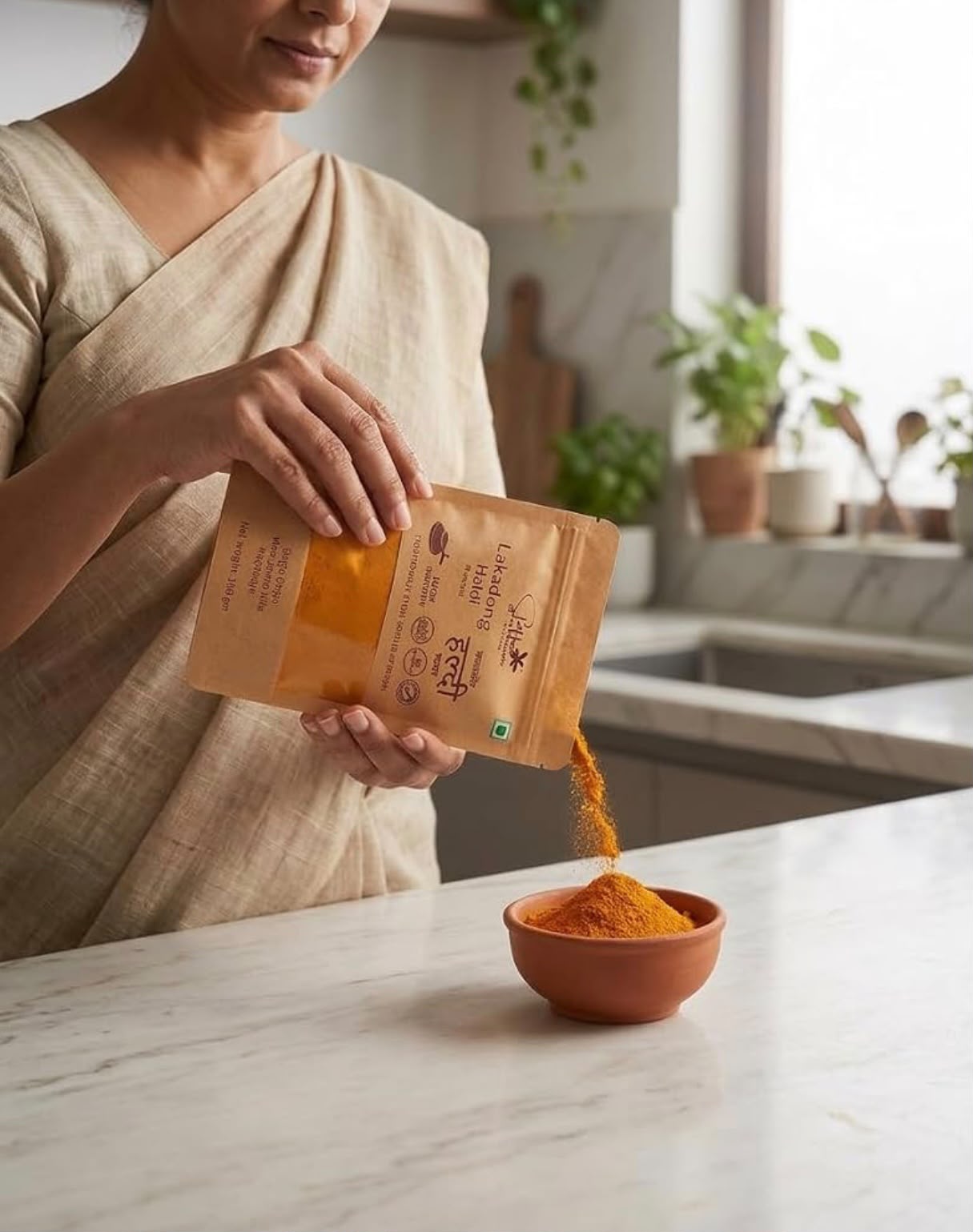


Lakadong Haldi Powder – Single-origin (Stone Ground)
Price range: ₹160.00 through ₹280.00
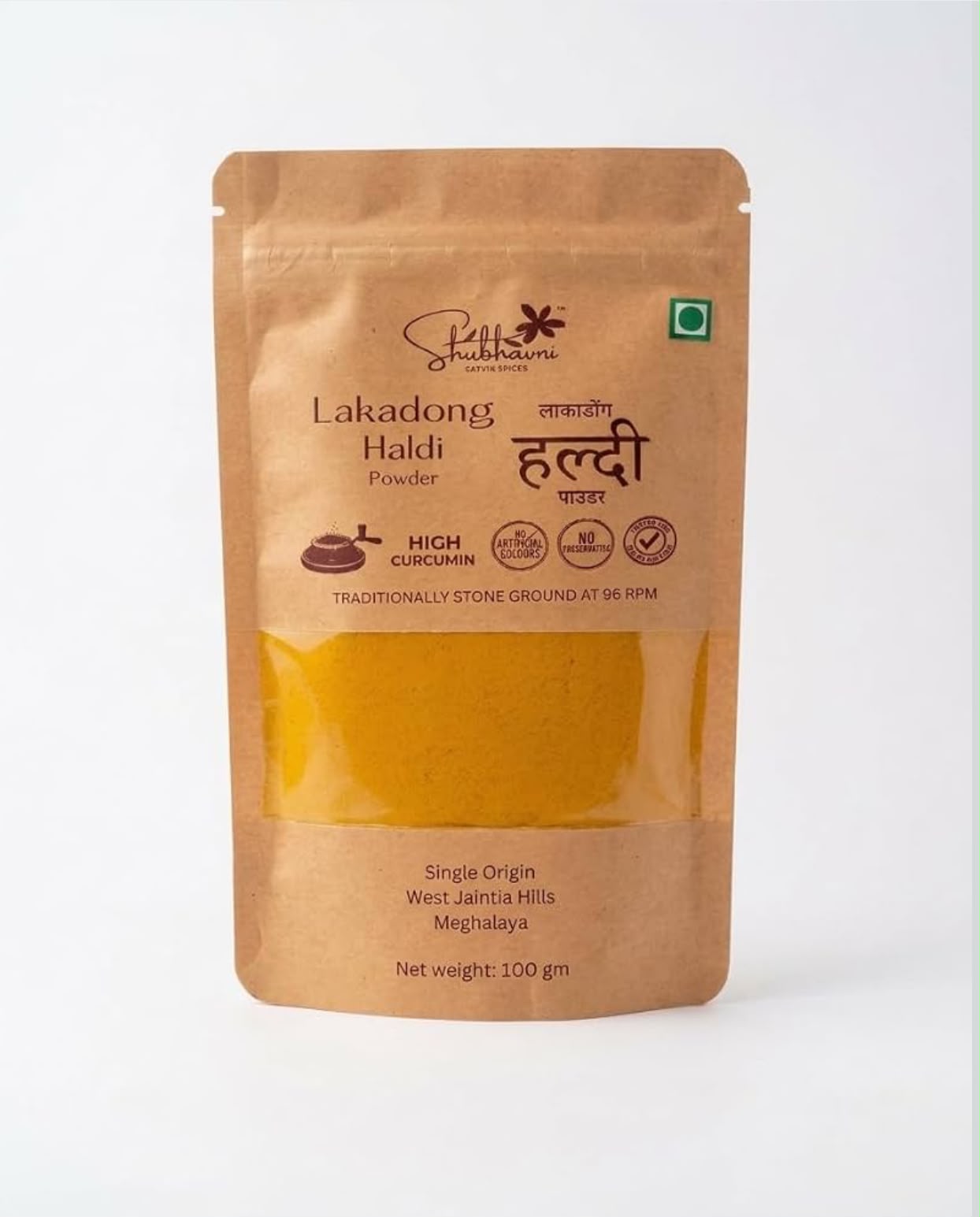
Single-origin Lakadong turmeric from Meghalaya, naturally high in curcumin and traditionally stone-ground at low RPM for rich colour, aroma and earthy flavour. Lab-tested for quality and heavy metals, with results at a fraction of the stated permissible limits. No artificial added colour; no preservatives. Scan the pack QR to view the batch report.
Where it comes from
- Lakadong area, West Jaintia Hills, Meghalaya
- GI tag granted March 2024 — first turmeric from Meghalaya to get one
- Grown by around 14,000 farmers across 43 villages
Why this variety
- Curcumin content commonly reported at 6–8%
- Ordinary commercial turmeric sits at 2–3%
- You can see the difference in the colour of the powder before you cook anything
How we grind it
- Low-RPM stone chakki, small batches
- Curcumin and the volatile oils are heat-sensitive — fast mills cook them off
- Stainless steel contact surfaces throughout, so no iron pickup
What’s not in it
- No metanil yellow — an industrial textile dye, not permitted in food
- No lead chromate — used to brighten colour and add weight
- No starch, rice flour or chalk
- Lab-tested for heavy metals; reports on our site
How to use it
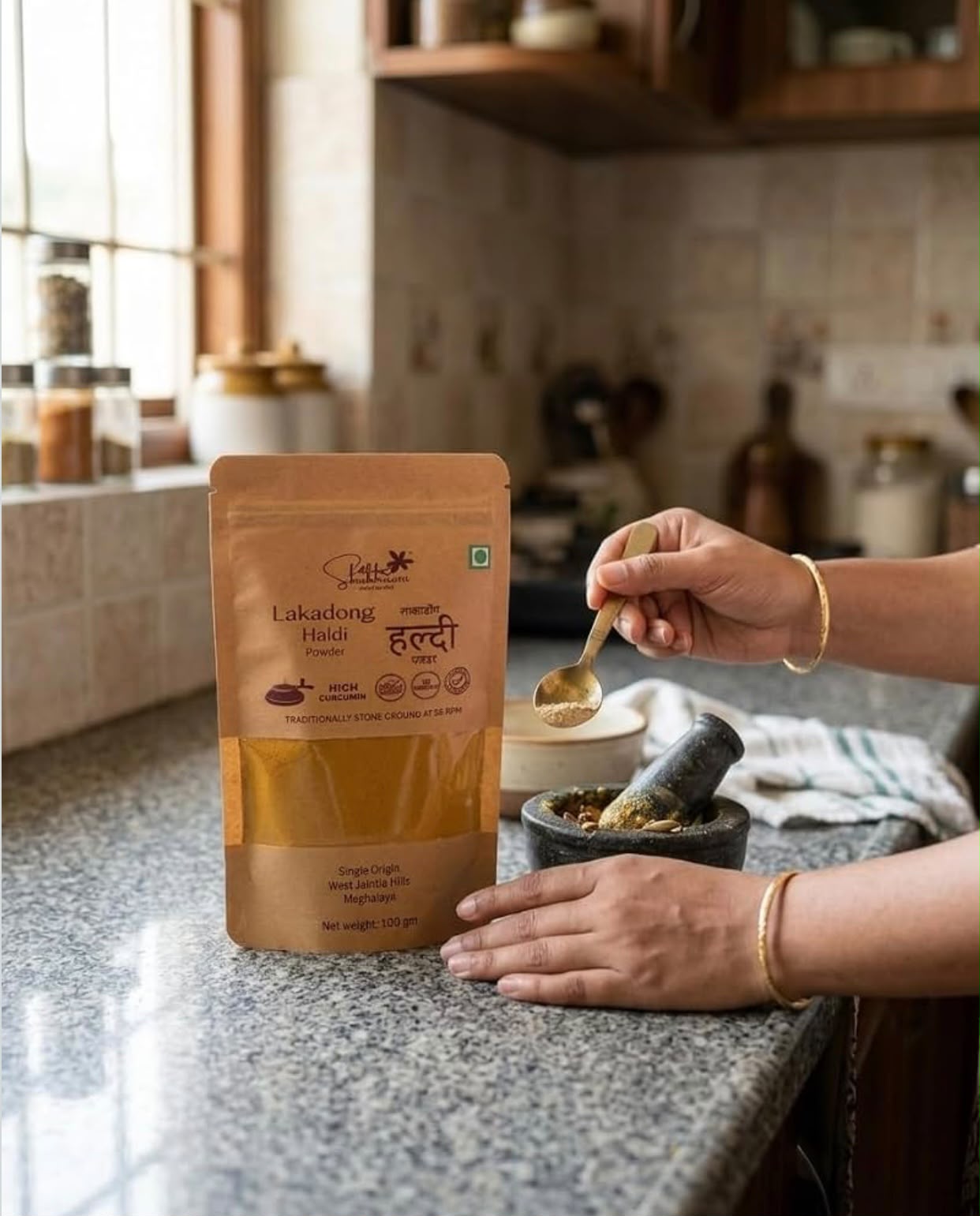
- Dal, sabzi, marinades — as you use any haldi
- You’ll need less than you’re used to, because you’re not paying for starch
- Haldi doodh: quarter teaspoon in warm milk with a crack of black pepper
Sizes
- 100 g and 200 g
| Weight | N/A |
|---|---|
| Weight | 100 GM, 200 GM |
Be the first to review “Lakadong Haldi Powder – Single-origin (Stone Ground)”
Related products
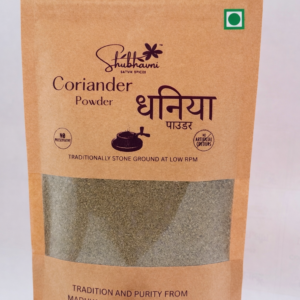
Price range: ₹80.00 through ₹150.00
This product has multiple variants. The options may be chosen on the product page 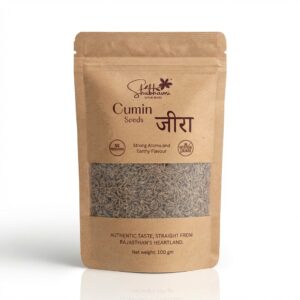
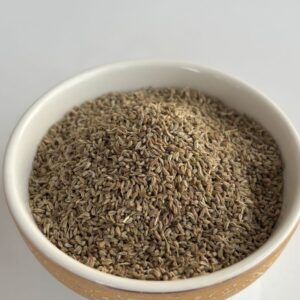
Price range: ₹80.00 through ₹150.00
This product has multiple variants. The options may be chosen on the product page 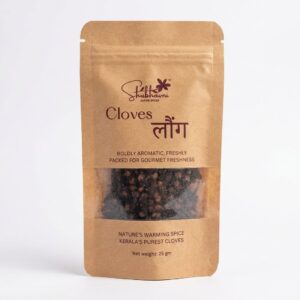
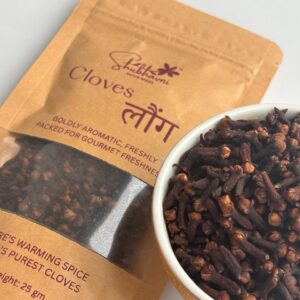
Reviews
There are no reviews yet.