

Sale!
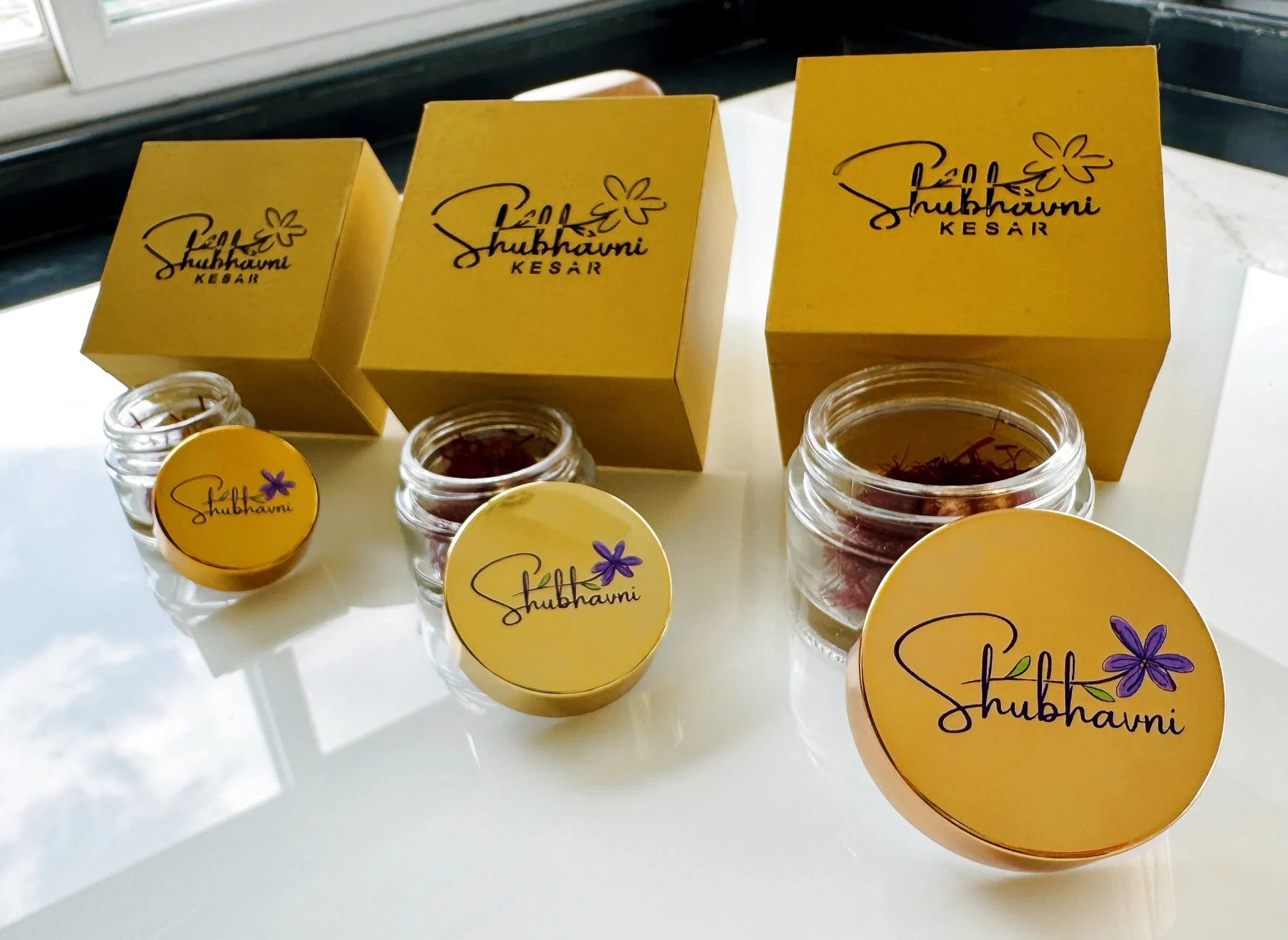


Shubhavni Kesar – Pure Saffron Stigmas
Price range: ₹450.00 through ₹3,600.00
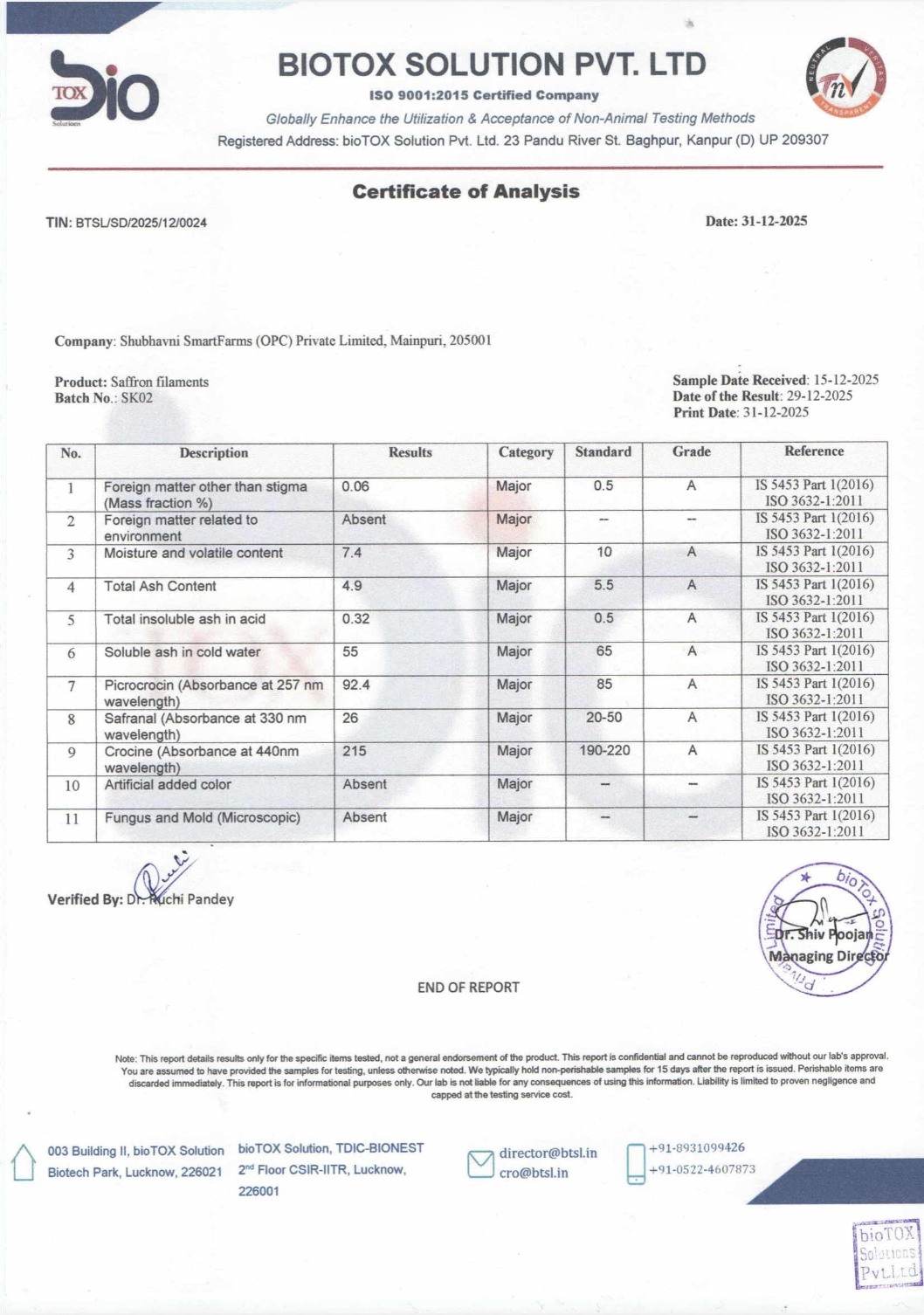
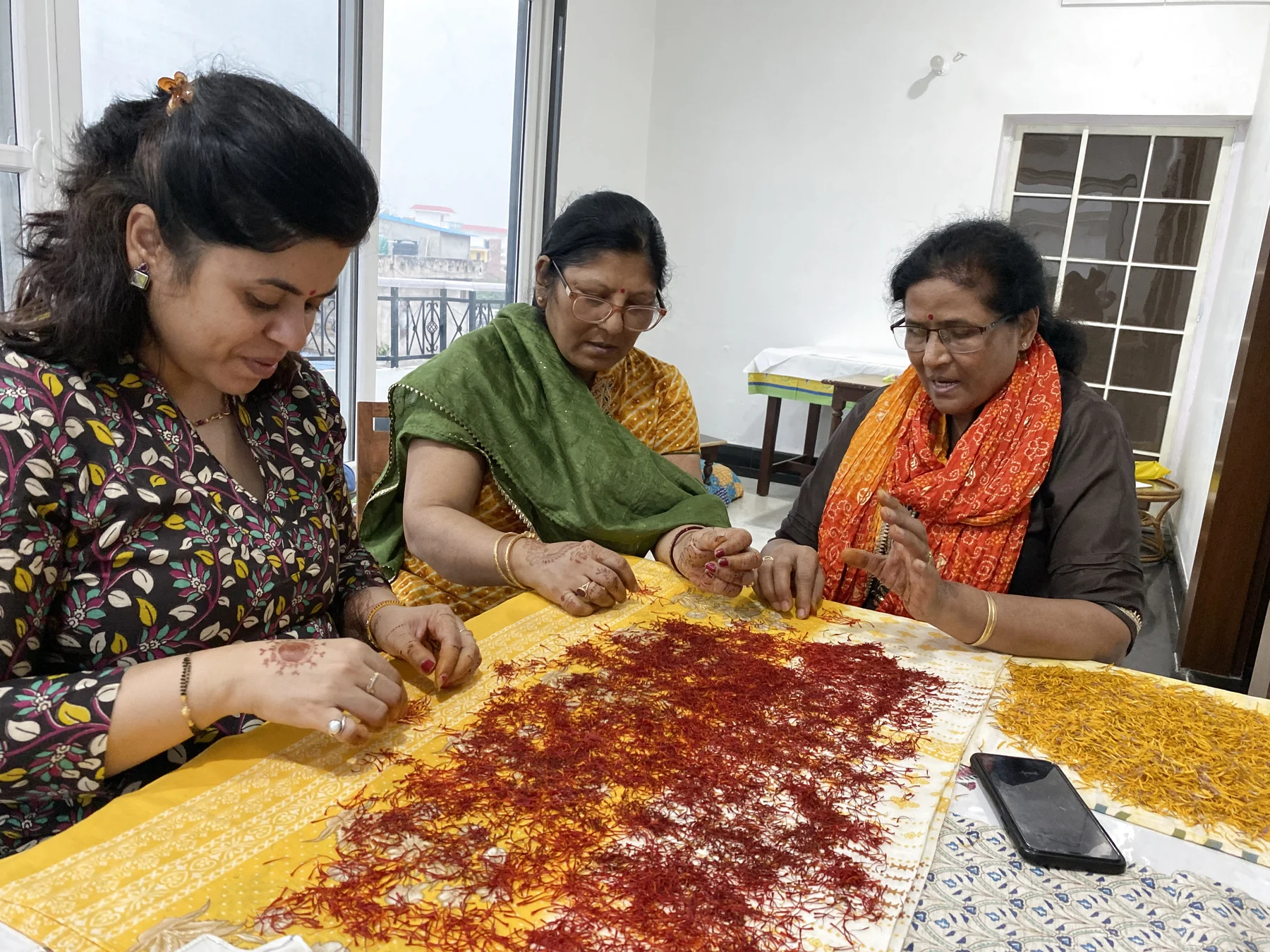
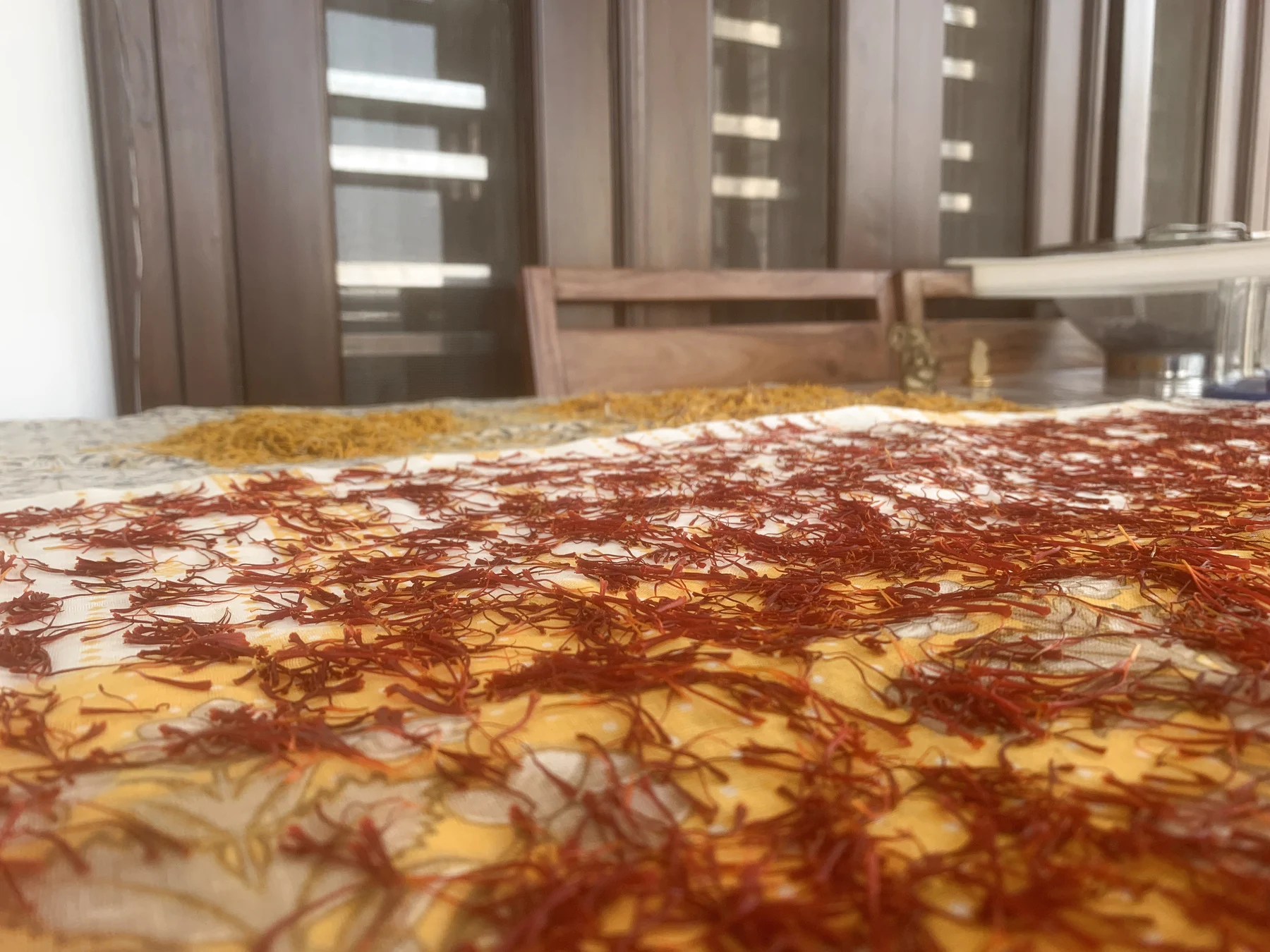
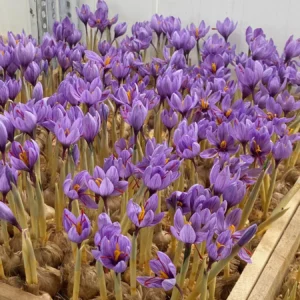
Aeroponic saffron grown in our own Mainpuri facility and hand-separated by rural women. Lab tested to IS 5451 and ISO 3632, and Category I on colour, taste and aroma.
Lab report published, at shubhavni.com/lab-reports
Where it comes from
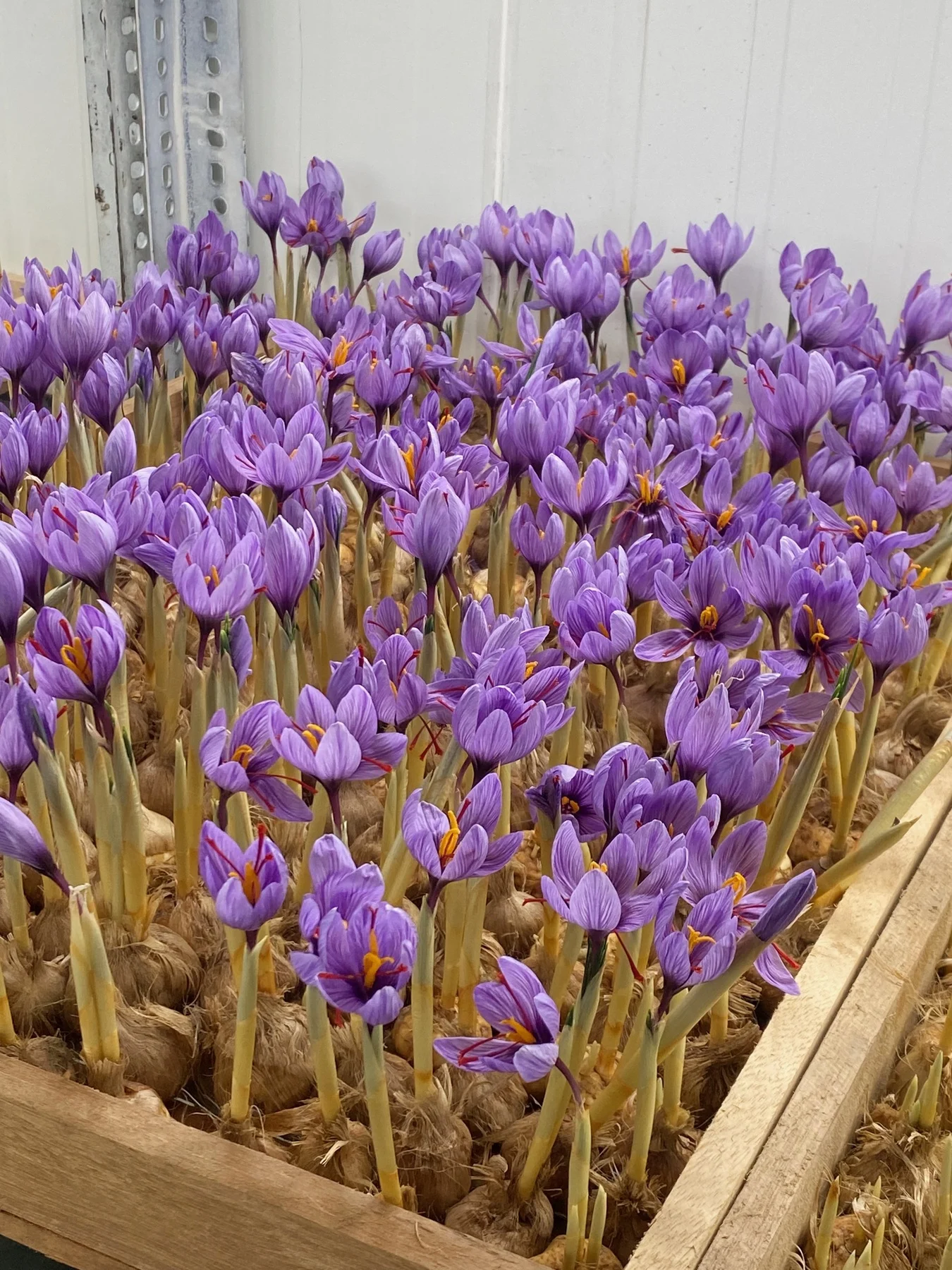
- Grown by us in Mainpuri, UP — not bought from traders
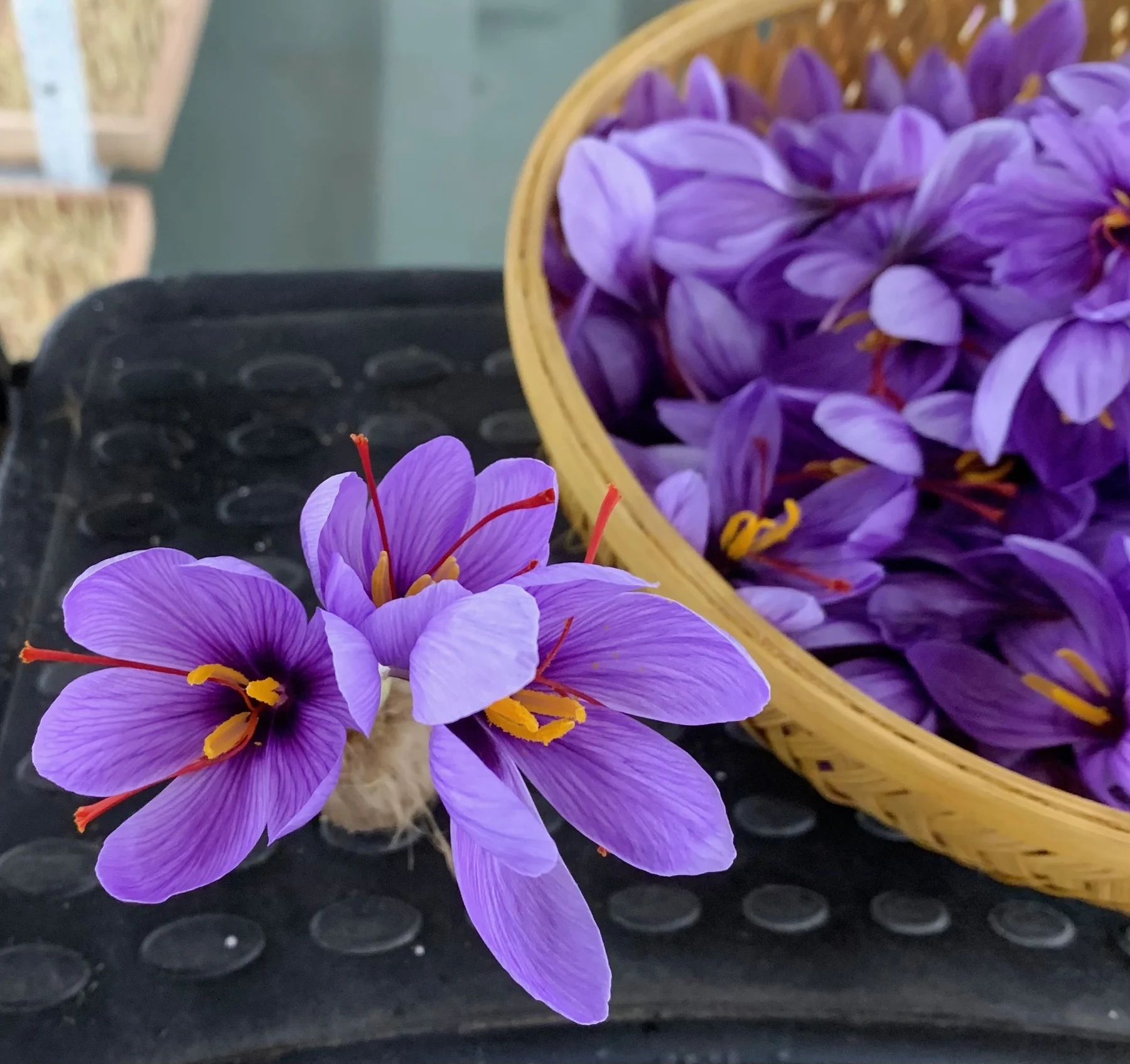
- Climate-controlled aeroponic chamber, IoT-monitored
- Harvested the morning the flowers open
- Stigmas separated by hand the same day
What the grade means
- Saffron grade is set by three compounds a laboratory measures: Crocin for colour, Picrocrocin for taste, Safranal for aroma
- Our batch measured Crocin 215, Picrocrocin 92.4, Safranal 26
- ISO 3632, the international saffron standard, places its top grade — Category I — above 200 for crocin and above 70 for picrocrocin, with safranal between 20 and 50. All three of ours sit inside it
- The same report records artificial added colour as absent
- Full lab report published, at shubhavni.com/lab-reports
What’s not in it
- No dye, no oil, no added moisture
- Not maize silk or safflower, which is what a lot of “saffron” actually is
How to use it
- In water, through the day — 5–6 strands in a bottle of water. Let it stand and release, then drink through the day. For children, 1–2 strands in their bottle or school bottle
- In milk — soak 5–6 strands in warm milk for 30 minutes
- In cooking — bloom 5–6 strands in warm milk or water for 30 minutes, then add the liquid and the strands to kheer, biryani, pulao, kahwa or shrikhand
- Never add dry strands to hot oil or ghee — the aroma burns off before it reaches the dish
- A pinch is enough — saffron that needs a heavy hand is telling you something
Test it yourself
- Put a few strands in cold water
- Real saffron releases colour slowly and the strands stay red
- Dyed saffron bleeds colour instantly and goes pale
On the jar
- Batch number, packing date, FSSAI licence
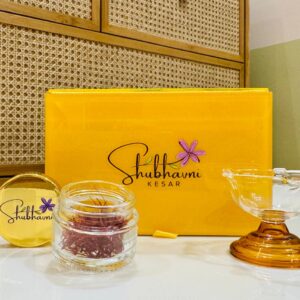
- Glass, not plastic
| Weight | N/A |
|---|---|
| Weight | 0.5 GM, 1 GM, 5 GM |
Be the first to review “Shubhavni Kesar – Pure Saffron Stigmas”
Related products
Sale!
Gift Boxes
Original price was: ₹1,399.00.₹1,250.00Current price is: ₹1,250.00.
Reviews
There are no reviews yet.