

Sale!
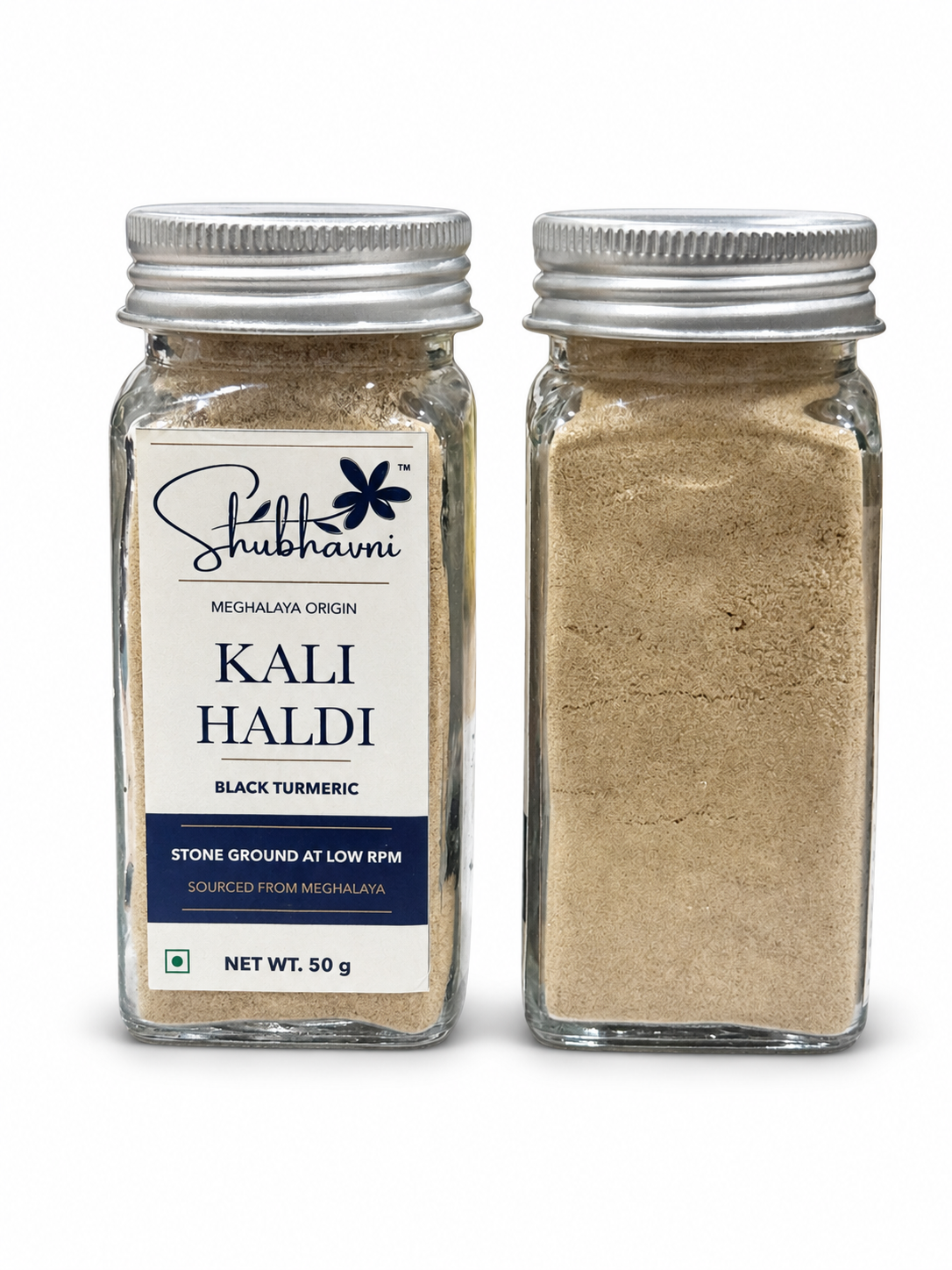
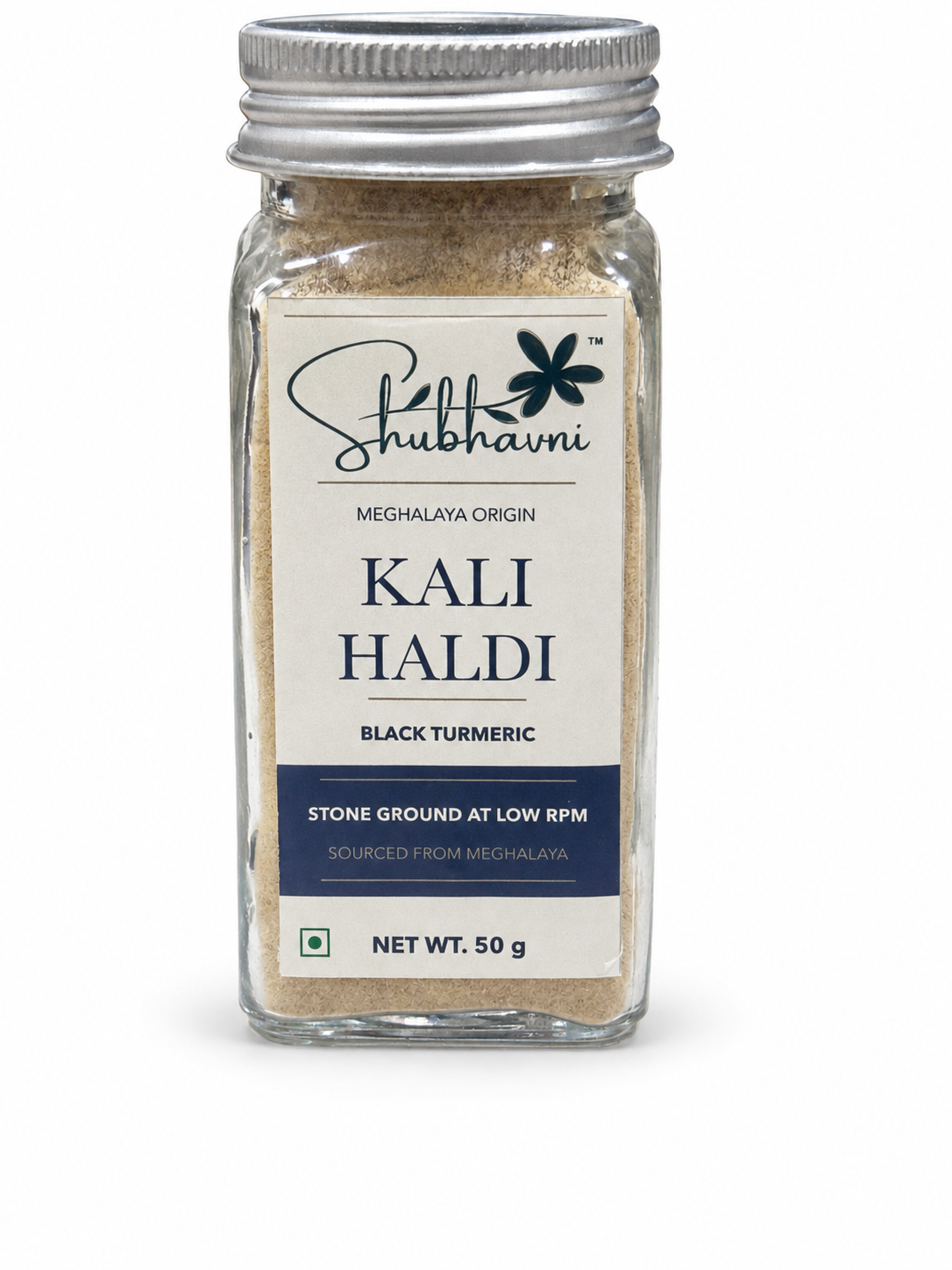
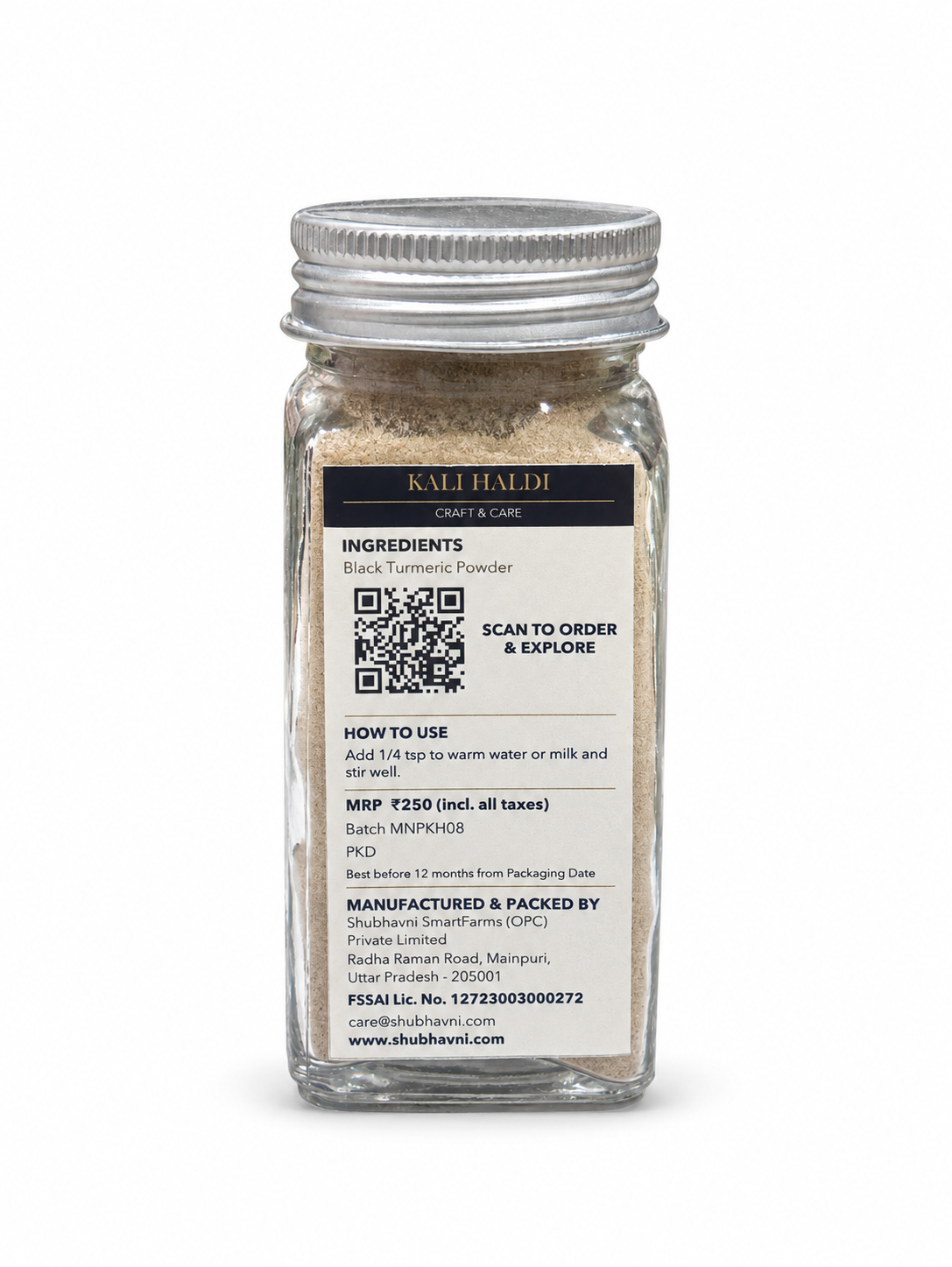
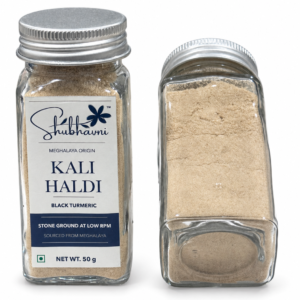
Kali Haldi (Black Turmeric Powder) – Meghalaya Origin | 50g Glass Jar
Original price was: ₹250.00.₹200.00Current price is: ₹200.00.
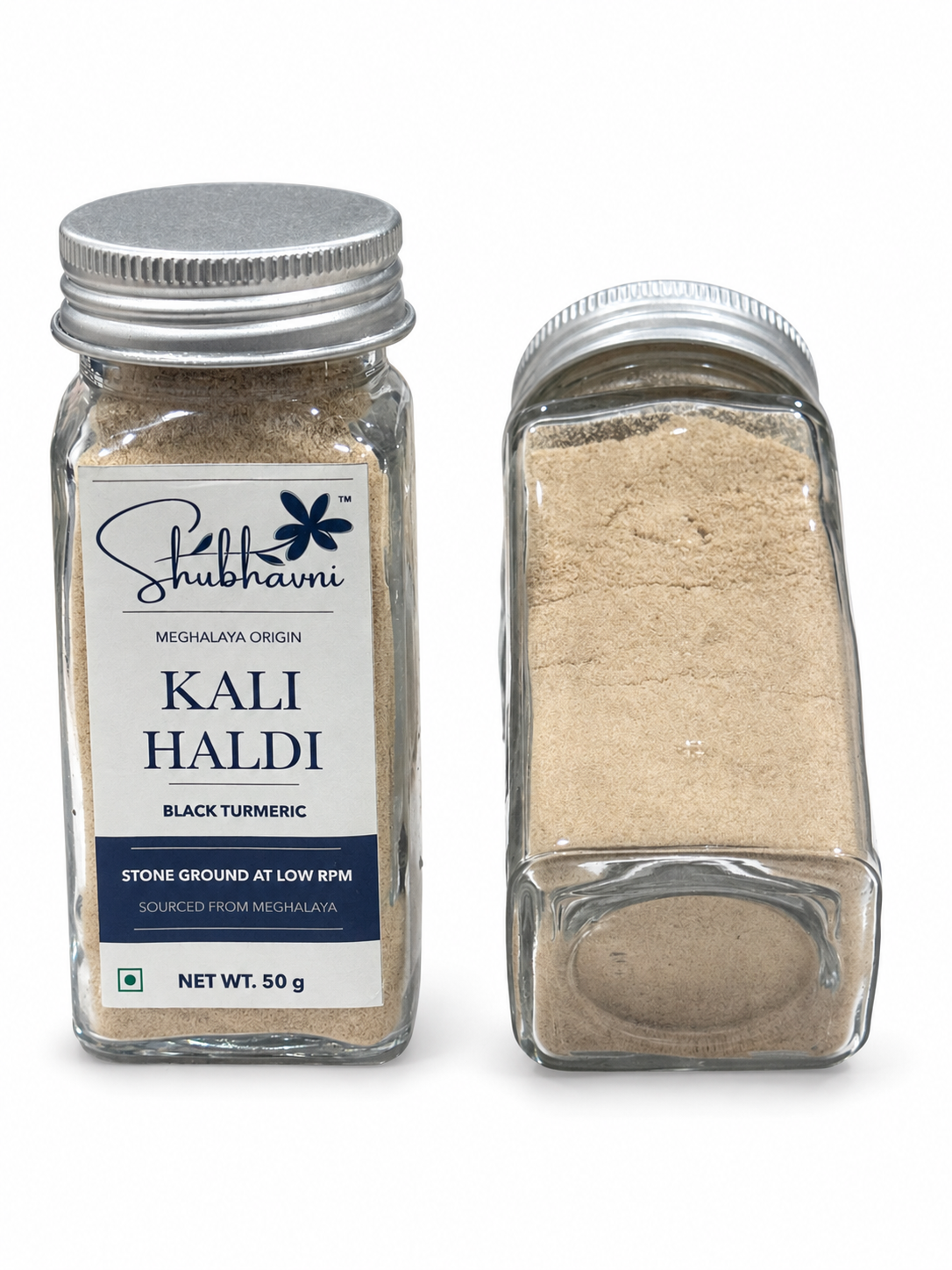
Rare black turmeric from Meghalaya, stone-ground and packed in a 50 g glass jar. Sharp, camphorous and bluish-black — a separate species, not dark haldi.
What it actually is
- Curcuma caesia is a separate species from yellow turmeric, not a variant of it
- The fresh rhizome is blue inside, a deep indigo that turns paler or greenish at the centre. Its sharp, camphorous aroma is nothing like haldi
- Found only in pockets of eastern and northeastern India
- Not farmed at scale — grown and gathered in small quantities in Meghalaya
- Long held in high regard in the traditional practice of that region
What it’s like
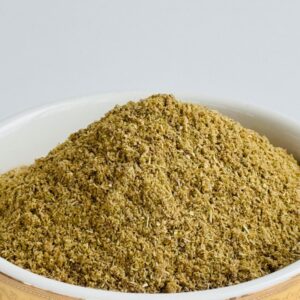
- Camphorous, slightly bitter, resinous, warming — closer to a wood than a root
- The dried powder is pale grey to greyish beige, not black
- Most people use it a quarter teaspoon at a time
How we handle it
- Stone-ground at low RPM
- Stainless steel contact surfaces — no iron pickup, no heat damage to the volatile oils
- Packed in glass, because you’ll keep this for months
How to use it
- A quarter teaspoon in a glass of warm water
- A quarter teaspoon in warm milk with honey
- A pinch in kadha, with saunth and kali mirch
- Sparingly in cooking, for earthy camphorous depth — start smaller than you think
Be the first to review “Kali Haldi (Black Turmeric Powder) – Meghalaya Origin | 50g Glass Jar”
Related products
Sale!


Original price was: ₹110.00.₹99.00Current price is: ₹99.00.
Sale!
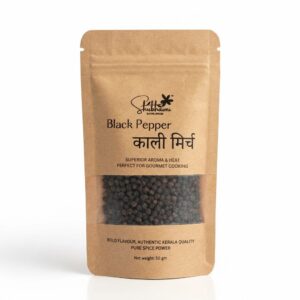
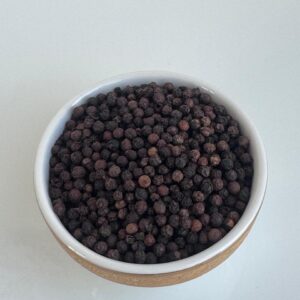
Original price was: ₹100.00.₹80.00Current price is: ₹80.00.
Sale!
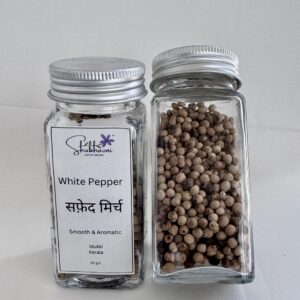
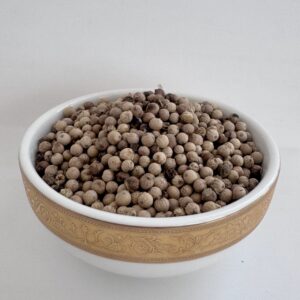
Original price was: ₹180.00.₹144.00Current price is: ₹144.00.
Sale!


Original price was: ₹220.00.₹176.00Current price is: ₹176.00.
Sale!
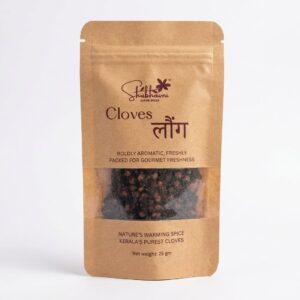
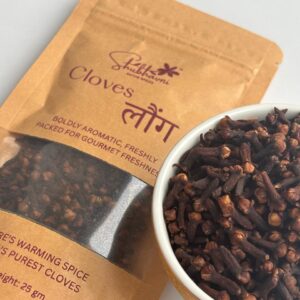
Original price was: ₹90.00.₹72.00Current price is: ₹72.00.
Sale!
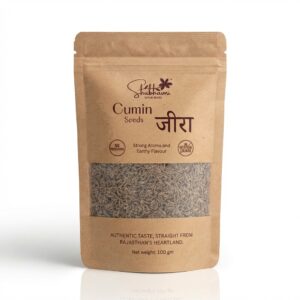
Price range: ₹64.00 through ₹120.00
This product has multiple variants. The options may be chosen on the product page Sale!
Original price was: ₹1,250.00.₹1,050.00Current price is: ₹1,050.00.
Sale!
Price range: ₹64.00 through ₹120.00
This product has multiple variants. The options may be chosen on the product page 
Reviews
There are no reviews yet.